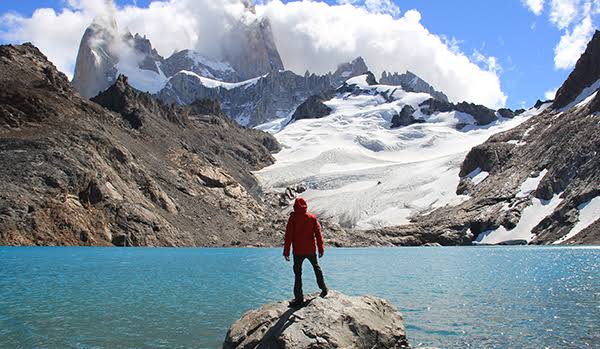
Chile is home to some of the most spectacular protected landscapes in the world, from the granite peaks of Torres del Paine and the glaciers of Laguna San Rafael to the deserts of Pan de Azúcar and the ancient forests of Alerce Costero. With more than 100 national parks, reserves, and natural monuments across the country, it’s no surprise that many travelers wonder whether there’s a single Chile National Parks Pass that offers unlimited access.
The short answer is not exactly.
Chile currently uses a digital ticketing platform called Pases Parques, but it is not an all-inclusive annual or multi-park pass like the U.S. National Parks Pass. Instead, visitors purchase admission for each participating park through one official system.
This guide explains how the system works, who should use it, and whether it’s worth buying for your trip.
What Is the Chile National Parks Pass?
The Pases Parques platform is Chile’s official online reservation and ticketing system for many national parks, national reserves, and natural monuments managed by the Chilean government.
Rather than purchasing separate paper tickets at each destination, travelers can:
- Buy tickets online
- Select their travel dates
- Receive digital passes by email
- Show tickets on their smartphone
- Reserve entry in advance for parks with visitor limits
The system is available to both Chilean residents and international visitors.
Is It One Pass for Every Park?
No.
One of the biggest misconceptions is that buying a “Chile National Parks Pass” gives unlimited access to every national park.
Instead:
- Each protected area has its own admission fee.
- You purchase tickets separately for each park.
- The Pases Parques website simply centralizes reservations and payments for participating parks.
In other words, it’s a single booking platform, not a universal entrance pass.
Which Parks Use the Pases Parques System?
Many of Chile’s most popular protected areas are available through the official platform.
Examples include:
- Torres del Paine National Park
- Patagonia National Park
- Alerce Costero National Park
- Pan de Azúcar National Park
- Pali Aike National Park
- Nevado Tres Cruces National Park
- Laguna San Rafael National Park
- Río de los Cipreses National Reserve
- Villarrica National Park
- Altos de Lircay National Reserve
Not every protected area requires an online reservation, so it’s important to check the specific park before your trip.
Why Buy Through Pases Parques?
Using the official platform offers several advantages.
Benefits include:
- Official government ticketing
- Digital tickets
- Secure online payment
- Advance reservations
- Mobile-friendly tickets
- Reduced waiting time at park entrances
- Entry management for parks with daily visitor limits
For busy destinations like Torres del Paine, purchasing tickets before arriving is strongly recommended.
Is It Worth Using?
For most international visitors, the answer is yes.
If your itinerary includes one or more national parks that participate in the system, purchasing tickets online makes planning much easier.
It’s especially worthwhile if you’re visiting:
- Torres del Paine
- Patagonia National Park
- Alerce Costero
- Multiple protected areas during one trip
Having your tickets ready before arrival helps avoid delays and ensures you comply with visitor capacity limits where they apply.
When It Makes the Most Sense
The platform is particularly useful if you’re planning:
A Patagonia Road Trip
Many travelers combine:
- Torres del Paine
- Pali Aike
- Patagonia National Park
- Laguna San Rafael
Booking ahead saves time throughout the journey.
A Multi-Region Vacation
If you’re traveling from northern Chile to Patagonia, you’ll likely visit several protected areas that participate in the system.
Peak Season Travel
During:
- December
- January
- February
Some parks experience their highest visitor numbers.
Advance booking helps guarantee your preferred entry date.
How to Buy Park Tickets
Purchasing tickets is straightforward.
Step 1
Visit the official Pases Parques website.
Step 2
Search for the national park or reserve you wish to visit.
Step 3
Choose your travel date.
Some parks also require selecting a specific entrance sector or trail.
Step 4
Select the number of visitors.
Pricing usually varies according to:
- Chilean residents
- International visitors
- Adults
- Children
- Seniors
Step 5
Complete payment online.
Accepted payment methods typically include major credit and debit cards.
Step 6
Receive your digital ticket.
You can either:
- Save it on your phone
- Print a copy
Park staff will scan your QR code upon arrival.
Do All National Parks Charge Admission?
No.
While many popular parks charge entrance fees, others are free to enter or only require payment for specific attractions, visitor centers, or trails.
Always verify the current requirements for each destination before traveling.
Are Park Fees Included in Guided Tours?
Sometimes.
Some organized tours include:
- Park admission
- Transportation
- Guide services
Others require visitors to purchase park tickets separately.
Always read the tour description carefully.
Can You Buy Tickets at the Park?
It depends on the destination.
Some parks still sell tickets on-site, while others encourage—or require—advance online reservations through the official platform.
Buying ahead is generally the safest option, particularly during the high season.
How Far in Advance Should You Book?
For most parks:
- A few days in advance is usually sufficient.
For popular destinations like Torres del Paine:
- Several weeks ahead is recommended during summer, especially if you also need campsites or refugio reservations.
The park entrance ticket is usually easier to obtain than overnight accommodations, but booking both early is still a good idea.
What Should You Bring?
When visiting any national park, carry:
- Passport or ID
- Digital ticket
- Printed backup (optional)
- Water
- Sunscreen
- Weather-appropriate clothing
- Offline maps for remote areas
Cell phone coverage may be limited in many parks.
Tips for Visiting Chile’s National Parks
Book Early During Summer
December through February is the busiest season.
Check Weather Conditions
Mountain weather can change rapidly, particularly in Patagonia.
Follow Park Rules
Stay on marked trails and respect wildlife.
Download Tickets Before Arrival
Internet access is often limited in remote regions.
Verify Park-Specific Regulations
Some parks have restrictions on camping, drones, pets, or access to certain trails.
Frequently Asked Questions
Is there an annual Chile National Parks Pass?
No.
Chile currently does not offer a nationwide annual pass that provides unlimited access to all national parks. Instead, visitors purchase admission for each participating park through the official Pases Parques platform.
Is Pases Parques the official booking system?
Yes.
It is the official digital platform used to purchase tickets for many state-managed protected areas in Chile.
Can I use one ticket for multiple parks?
No.
Each park requires its own admission ticket unless otherwise stated.
Are digital tickets accepted?
Yes.
Visitors can normally present their ticket directly from their smartphone, though carrying a printed backup is a good precaution in remote areas.
Is the system worth using?
Absolutely.
For travelers planning to visit Chile’s national parks, the official digital platform simplifies reservations, reduces waiting times, and makes it easier to organize an itinerary across multiple protected areas.
Although Chile doesn’t currently offer a single nationwide pass with unlimited access to every national park, the Pases Parques platform makes visiting the country’s protected areas much more convenient. By centralizing ticket purchases, digital passes, and advance reservations, it helps travelers plan efficiently while supporting the conservation of Chile’s remarkable natural heritage.
If your itinerary includes destinations such as Torres del Paine, Patagonia National Park, Alerce Costero, or other participating parks, using the official system is well worth it. Booking ahead, especially during the busy summer season, ensures a smoother experience and lets you focus on exploring some of the most breathtaking landscapes in South America.