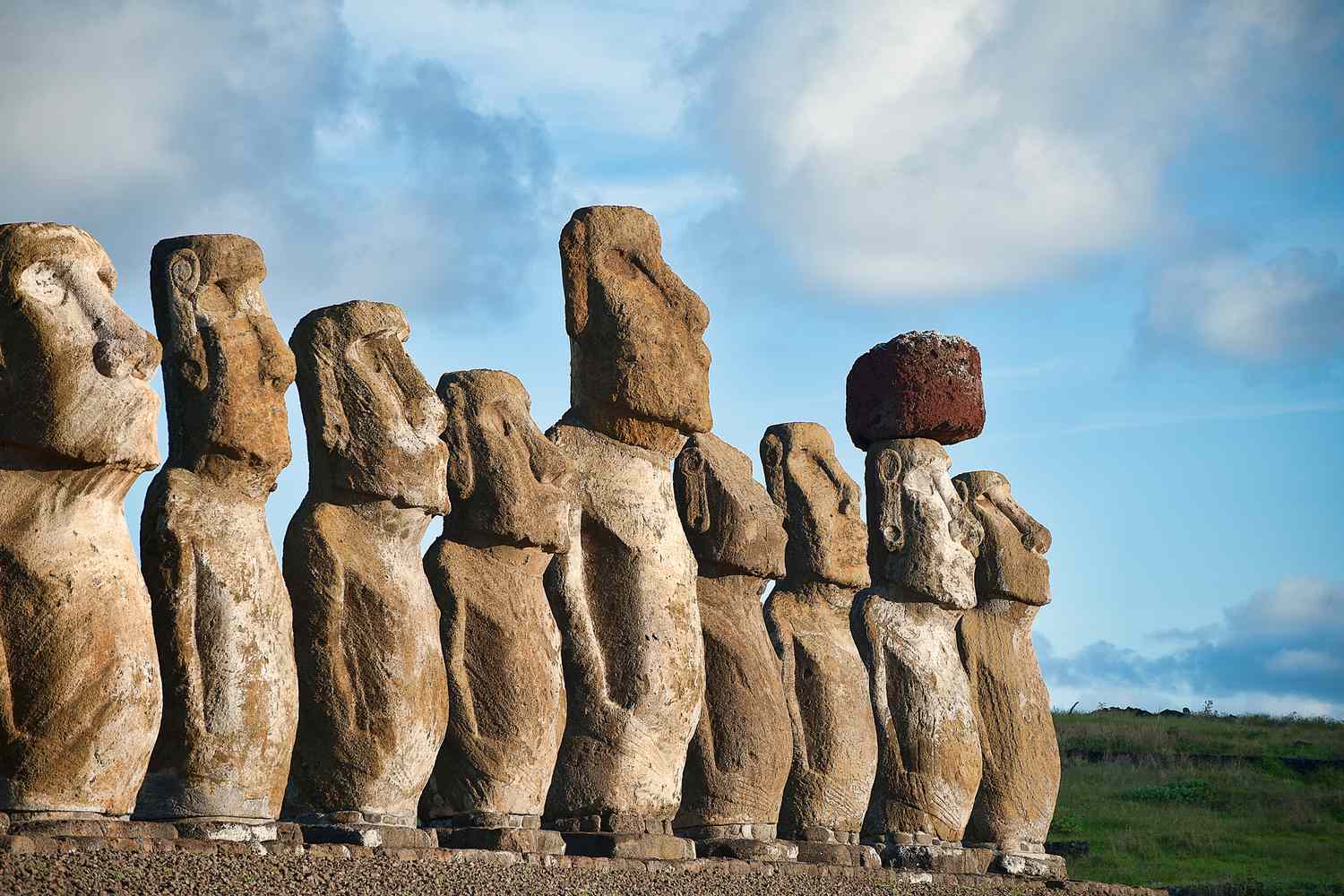
Easter Island, known locally as Rapa Nui, is one of the world’s most fascinating travel destinations. Located more than 3,500 kilometers (2,175 miles) off the coast of Chile, this remote Pacific island is famous for its mysterious moai statues, volcanic landscapes, ancient ceremonial sites, and rich Polynesian culture.
Unlike many popular tourist destinations, visiting the island’s archaeological treasures requires more planning than simply buying an entrance ticket. Since recent conservation regulations came into effect, most protected archaeological sites inside Rapa Nui National Park can only be visited with an accredited local guide, making it essential to choose the right tour before your trip.
This guide explains the best tours, entrance tickets, pricing, and everything you need to know for an unforgettable visit.
Do You Need a Ticket to Visit Easter Island?
Yes.
Most of Easter Island’s iconic attractions are located inside Rapa Nui National Park, a UNESCO World Heritage Site managed by the Indigenous Ma’u Henua community.
Every visitor must purchase an official park ticket before entering protected archaeological sites. The ticket is personal, non-transferable, and generally valid for 10 consecutive days from the first day of use.
Is a Guide Required?
Yes, for most archaeological sites.
Current park regulations require visitors to be accompanied by an accredited Ma’u Henua guide or an authorized Rapa Nui community member when visiting protected sites within the national park. This rule helps preserve the island’s fragile archaeological heritage while providing visitors with historical and cultural context.
Where to Buy Your National Park Ticket
The easiest option is purchasing your admission online before arriving on the island.
Visitors receive a digital ticket with a QR code that can be presented at the park entrance.
Physical tickets are also available at the Ma’u Henua office in Hanga Roa, although purchasing in advance saves time after arrival.
What Does the Ticket Include?
Your entrance ticket allows access to nearly all of the island’s protected archaeological attractions, including:
- Rano Raraku Quarry
- Ahu Tongariki
- Orongo Ceremonial Village
- Ahu Akivi
- Vinapu
- Puna Pau
- Tahai
- Anakena archaeological areas
- Numerous additional ceremonial platforms and ancient sites
Some locations have special visitation rules, including limits on the number of visits during the ticket’s validity period.
Best Guided Tours on Easter Island
1. Full-Day Archaeological Highlights Tour
This is the most popular tour for first-time visitors.
Highlights usually include:
- Ahu Tongariki
- Rano Raraku
- Te Pito Kura
- Anakena Beach
- Ancient villages
- Moai restoration history
Most tours last 7–8 hours and include transportation and an expert local guide.
This option is ideal if you only have two or three days on the island.
2. Half-Day West Coast Tour
Perfect for travelers with limited time.
Common stops include:
- Tahai Ceremonial Complex
- Ahu Akivi
- Puna Pau
- Local viewpoints
- Historic villages
These tours generally last four hours.
3. Sunrise Tour at Ahu Tongariki
Watching the sunrise behind the fifteen restored moai at Ahu Tongariki is considered one of the island’s most unforgettable experiences.
Most sunrise tours include:
- Early hotel pickup
- Transportation
- Accredited guide
- Photography stops
The dramatic morning light creates incredible photo opportunities.
4. Orongo & Rano Kau Volcano Tour
This tour explores the island’s fascinating Birdman culture.
Highlights include:
- Orongo ceremonial village
- Rano Kau volcanic crater
- Petroglyphs
- Ancient religious sites
- Spectacular Pacific Ocean viewpoints
History enthusiasts particularly enjoy this excursion.
5. Private Island Tour
Private tours offer maximum flexibility.
Benefits include:
- Customized itinerary
- Flexible schedule
- Personal guide
- Photography stops
- Smaller groups
- More time at favorite sites
Although more expensive, they’re ideal for families and photographers.
6. Cultural Experience Tours
Some operators combine archaeology with local traditions.
Activities may include:
- Traditional music
- Dance performances
- Handicraft workshops
- Local cuisine
- Rapa Nui storytelling
- Village visits
These tours provide a deeper understanding of island life.
7. Hiking Tours
Adventure travelers can explore:
- Maunga Terevaka
- Coastal cliffs
- Hidden caves
- Lava fields
- Remote archaeological remains
Many hiking routes require authorized guides.
8. Horseback Riding Tours
Horseback excursions offer a unique way to explore less-visited areas of the island.
Popular destinations include:
- Volcanoes
- Coastal cliffs
- Rural landscapes
- Hidden moai
- Ancient ceremonial platforms
Experience levels vary by operator.
9. Snorkeling and Diving Tours
Although famous for archaeology, Rapa Nui also offers remarkable underwater visibility.
Popular activities include:
- Coral reefs
- Underwater caves
- Sea turtles
- Tropical fish
- Submerged moai replica near Hanga Roa
Certified dive operators provide equipment and instruction.
10. Stargazing Tours
Because of minimal light pollution, Easter Island offers spectacular night skies.
Astronomy tours often combine:
- Polynesian navigation history
- Constellation identification
- Local legends
- Astrophotography opportunities
How Much Do Tours Cost?
Prices vary depending on:
- Tour duration
- Group size
- Private vs. shared experience
- Transportation included
- Meals
- Language
- Specialized activities
Private tours naturally cost more than shared group excursions.
Should You Book Tours Before Arriving?
During peak travel months, booking in advance is highly recommended.
Peak season includes:
- December
- January
- February
Planning ahead helps ensure availability for popular experiences like sunrise at Ahu Tongariki.
Some experienced travelers note that if you’re staying several days, you may find competitive prices by arranging tours locally after arrival, while advance booking offers greater certainty and convenience.
Best Attractions Included in Most Tours
Ahu Tongariki
The island’s most photographed archaeological site.
Features:
- Fifteen restored moai
- Ocean backdrop
- Sunrise views
- UNESCO heritage
Rano Raraku
Known as the “Moai Factory.”
Here you’ll see:
- Nearly 400 statues
- Partially buried moai
- Ancient quarry
- Carving sites
Anakena Beach
A beautiful white-sand beach featuring:
- Palm trees
- Crystal-clear water
- Ancient ceremonial platform
- Restored moai
Many tours stop here for lunch.
Tahai
Located near Hanga Roa, Tahai is famous for:
- Sunset photography
- Restored statues
- Ocean views
- Easy walking trails
Orongo
This ceremonial village overlooks the spectacular Rano Kau crater.
Highlights include:
- Stone houses
- Petroglyphs
- Birdman history
- Coastal cliffs
Ahu Akivi
Unique because its seven moai face the ocean.
Many legends surround these statues.
Transportation During Tours
Most organized tours include:
- Hotel pickup
- Air-conditioned vehicle
- Experienced driver
- Return transportation
Some premium tours also provide refreshments.
What to Bring
For a comfortable day exploring Rapa Nui, pack:
- Passport
- National Park ticket
- Comfortable walking shoes
- Sunscreen
- Hat
- Sunglasses
- Water bottle
- Camera
- Light rain jacket
The island’s weather can change quickly.
Tips for Choosing the Best Tour
Consider:
- Certified local guides
- Small group sizes
- Flexible itineraries
- Transportation included
- Positive traveler reviews
- English-speaking guides if needed
Learning directly from Rapa Nui guides greatly enhances the experience by adding cultural stories and historical context that visitors would otherwise miss.
Frequently Asked Questions
How many days should I spend on Easter Island?
Most visitors spend 4–5 days, allowing enough time to visit the main archaeological sites, enjoy cultural experiences, and explore at a relaxed pace.
Is the National Park ticket included with tours?
Not always.
Some tour operators include it in package prices, while many require visitors to purchase the park entrance separately.
Always confirm before booking.
Can I visit the moai without a guide?
Most protected archaeological sites now require visitors to be accompanied by an accredited guide or authorized local representative.
Are private tours worth it?
If your budget allows, private tours provide greater flexibility, more personalized explanations, and additional opportunities for photography.
Can I book tours after arriving?
Yes. Many agencies operate in Hanga Roa, but availability may be limited during busy travel periods, so advance reservations are recommended if you have a fixed itinerary.
Choosing the right tours is one of the most important parts of planning a trip to Easter Island. With accredited guides now required for most archaeological sites and a park ticket valid for 10 consecutive days, organizing your itinerary in advance allows you to make the most of your visit.
Whether you dream of watching the sunrise over the majestic moai at Ahu Tongariki, walking through the ancient quarry of Rano Raraku, relaxing on Anakena Beach, or discovering the fascinating Birdman culture at Orongo, guided tours provide both access and invaluable insight into one of the world’s most extraordinary cultural landscapes. By combining your park ticket with carefully selected excursions, you’ll enjoy a deeper appreciation of Rapa Nui’s remarkable history, traditions, and breathtaking natural beauty.